Varec, a Leidos Company

Vertue RTU Configurator

Configuration Software for Varec, a Leidos company's RTU devices for large volume fluid or fuel inventory management

Industrial Software RTU Configuration UX Modernization Design Systems

ROLE/TEAM

Product Designer
UI Designer
UX Researcher
Art Director

TOOLS

Sketch
Adobe Creative Cloud
Adobe XD
Proto.io
Marvel
Visual Basic
Angular
Material Design

DATE/DURATION

6 months
Product modernization initiative

Situation

Varec, a subsidiary of Leidos, a leader in the defense contracting sector and a provider of hardware and software solutions for the fuel industry, faced a critical challenge. Despite being a key player, the company had yet to introduce a new product in over a decade, putting it at risk of losing market relevance to emerging competitors.

Their flagship product, FuelsManager, needed to gain ground to remain competitive among more modern applications. Users and the company itself acknowledged that the application was challenging to use, demanded extensive training, and required specialized (read: costly) support. The situation had reached a point where Varec was on the brink of being overshadowed by more innovative challengers.

We decided on using a small effort for the RTU (remote terminal unit) to create a configurator application as a starting point, and we would address questions such as how Varec might address the problems with its apps, and build a new framework for its software offerings. What can we use as a test project to begin a transformation to reflect a more modern, easier-to-onboard, use, and support? And most important of all, how can this all be done in time to get initial impressions and user feedback at the upcoming trade event in 4 months?

Goals

With an imperative to present a prototype within the given four-week timeframe, success hinges on accomplishing the following goals:
  • Streamline onboarding and other user tasks by addressing interface complexity and enhancing overall usability
  • Rethink application interaction strategies, workflows, and processes to improve user satisfaction and productivity
  • Minimize the time needed by system implementation engineers for both initial setup and post-sale configuration
  • Establish a contemporary application framework as the cornerstone for Varec's software offerings

Action

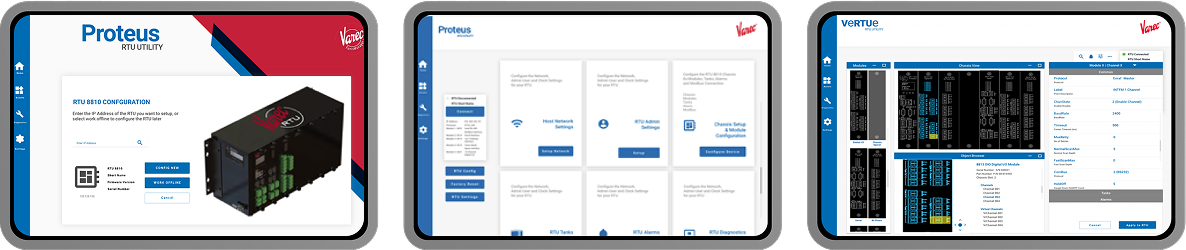
Upon revisiting the original concept, we enhanced it by introducing a task/card-based structure that facilitates adaptability and growth. We achieved this by seamlessly adding new subject cards as needed. A pivotal addition was introducing a new chassis editor element, which introduced multi-factor, symbol-based object manipulation.

This unique element allowed direct interaction with items and attributes typically distant or abstract to end-users, often presented in a less visually appealing dataset table view.

In terms of branding, we adhered to the brand palette and incorporated it into the UI. This approach not only served as a nod to an upcoming style guide/design system that we were concurrently developing for the company but also ensured consistency in color treatments.

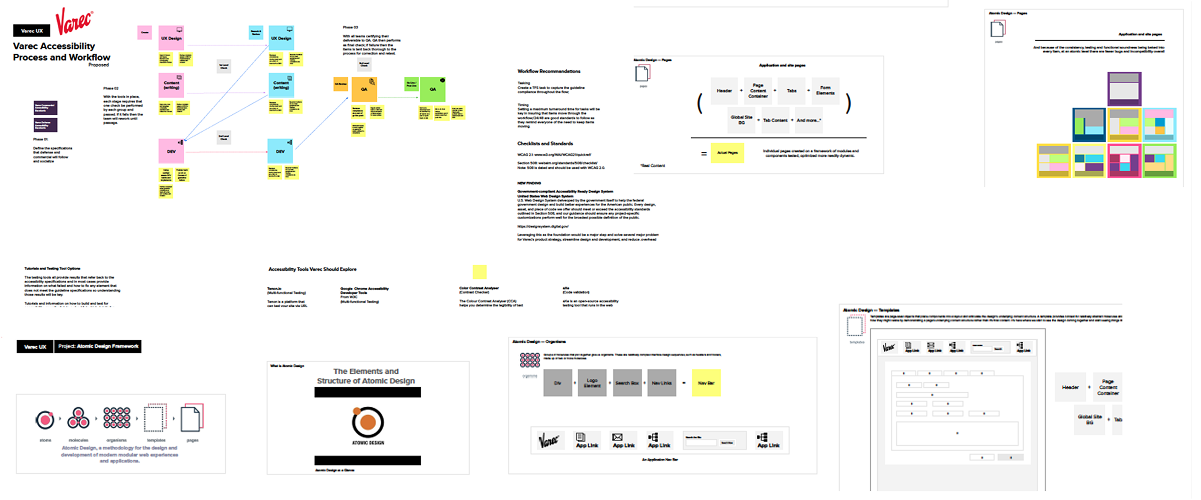
Further enhancements included: Action-oriented calls-to-action (CTAs), Color treatments aligned with accessibility standards, Adopting a component-based design philosophy utilizing Angular 7, Introducing Atomic Design principles provided a shared, modular component-based app ecosystem that all software would now utilize.
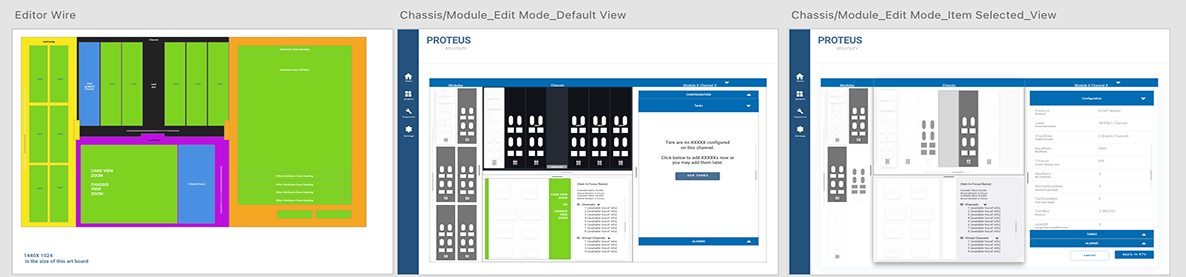
RTU configurator interface design task card based structure chassis editor multi-factor symbol manipulation modern UI components

More Action

To enhance the existing app, I delved into its processes and flows, pinpointing problematic areas while introducing a new paradigm aimed at enhancing the overall user experience and accessibility while also minimizing complexity.

Simultaneously, I spearheaded a shift in the development mindset to establish a foundation for reusable components and a user experience (UX) framework applicable across the entire ecosystem.

This strategic move was aimed at curtailing development overhead, enabling smoother iterations, and fostering the evolution of both present and future applications. And working with marketing and the business, I led the efforts to brand the application.

varec vertue application branding design system atomic design principles component based architecture angular development framework

Result

A modern, simplified, user-configurable, and easy-to-navigate UI with clear status information available to the user at all times. Additional changes introduced included action-oriented CTAs, accessibility-friendly colour treatments, and component-based design philosophy (using Angular 7 and the Atomic Design framework) were also introduced to the company.

As this was a very abbreviated effort, stakeholder and user constituencies were directly interviewed many times in the ideation, discovery, and design stages to inform solutions and approaches to reduce churn.

UX Impact

This initiative ushered in a revolutionary approach to crafting user-centric, portable, and modular application experiences. The goal was to create applications that are easier to use and support, and set a potential direction for Varec to adopt across all its applications. However, it is essential to note that there were caveats and issues, including:

Foundational Infrastructure Development

The effort required a ton of foundational work to be built as we went. A ton of resources compiled, new tools built, and the implementation of the beginnings of design systems, icon libraries, and codebases made the project achievable.

Rapid Prototype to Market

The app prototype was rushed to market with no additional refinement. As the version of the app previewed with customers was barely above the prototype stage, continuing refinement to include some of the identified usability enhancements, more advanced flow and functions, and capturing and addressing action items specified from feedback sessions would be desirable to complete the app.

Strategic Foundation for Future Development

As this was the first push of a new paradigm I introduced to Varec, Vertue served as the foundational concept for a secondary responsive web app targeted for tablets and would be used as a foundation for revamping other Varec apps (Intoplane and FuelsManager, and all other apps in the Varec ecosystem) as well as new products that were on the horizon.